


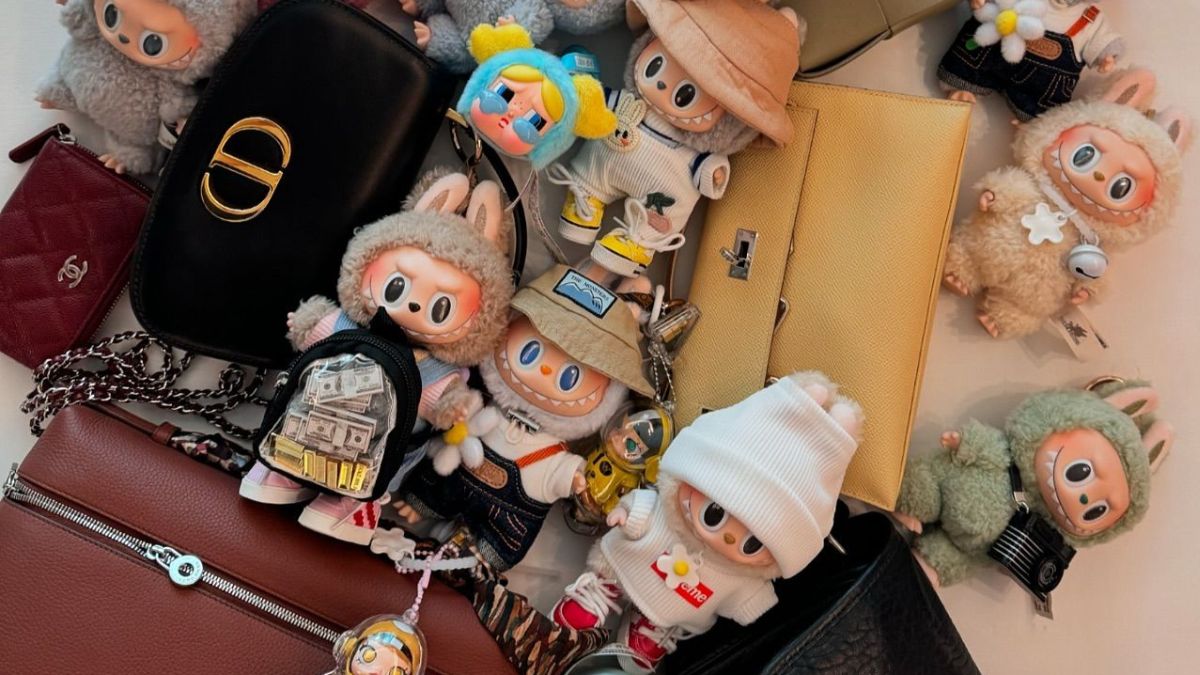
If you haven’t encountered Labubu yet, you might have been living under a rock or maybe you just haven’t been paying attention to the latest viral craze. What are they, and why has this quirky little doll become such a phenomenon? Let’s dive in.
What Are Labubus?
Labubu dolls are small, soft plush toys that resemble a combination of dolls and monsters. They have unique, almost bizarre faces, cute yet weird and are designed to be collectible. These plushies come in “blind boxes,” meaning you don’t know which character you’ll get until you open it. This sense of mystery creates excitement, suspense and joy, making the experience of purchasing them as thrilling as the toy itself.
What’s more, Labubus aren’t just toys; they’re accessories. Many fans clip them onto luxury handbags, turning them into a must-have fashion statement. In this way, Labubus have transcended the realm of childhood toys and evolved into a status symbol. Owning one signals a sense of belonging to a specific, often exclusive social group.
Why Have Labubus Become So Popular?
Labubus might have started as a niche collectible, but their popularity exploded thanks to high-profile endorsements. K-pop stars like Lisa from Blackpink were among the first to showcase the toys, and it didn’t take long for celebrities like Dua Lipa and Rihanna to join the bandwagon. As these influencers began sharing their Labubus, the toys quickly spread across the globe.
Perhaps the ultimate validation came when Labubus made their runway debut at New York Fashion Week. What started as a quirky collectible has now become a luxury accessory, endorsed by high-end fashion houses. This fusion of fun, fashion, and exclusivity is part of what has made Labubus so popular, particularly with those seeking affordable luxury.
Labubu’s Strategy: Exclusivity and Gamification
The key to Labubu’s success lies in its ability to create demand through exclusivity. New designs and collaborations with major brands, such as Coca-Cola, keep the collectible fever alive. One of their most recent successes came with the launch of the “Big into Energy” collection in April, a series of blind box plush pendants designed to represent different positive emotions and energies. These sold out quickly, further driving demand.
But Labubu didn’t stop there. To keep the buzz alive, they restocked just two weeks after the initial launch. This classic supply and demand strategy, combined with a layer of gamification and surprise, keeps fans coming back for more. It’s all about creating an experience; a community where everyone is in on the hunt to collect the full set.
The Psychology Behind the Appeal: The Lipstick Effect
Labubus tap into the psychology of luxury and indulgence, especially during tough times. With the rising cost of living and economic uncertainty, many consumers are looking for affordable ways to feel good. This is where the “lipstick effect” comes in: a phenomenon where, during recessions or financial downturns, people may cut back on major purchases but still indulge in smaller, affordable luxuries.
Labubus, with their price point between $32 and $70 for a standard plush, fit perfectly into this category. They’re seen as a luxury item, but at a reasonable price. Even rare Labubus can fetch upwards of $3,000, further elevating their status as a coveted luxury good. For many, purchasing a Labubu isn’t just about owning a toy; it’s about feeling included in an exclusive community.
Why Are Labubus So Addictive?
It’s all about dopamine. Labubus, sold in blind boxes, trigger the same dopamine-driven cycle that keeps people scrolling on social media or playing addictive mobile games. The thrill of the unknown, the excitement of unboxing, and the potential to get a rare collectible combine to create a highly addictive experience.
Additionally, the scarcity element plays into our natural tendency to value what’s rare or hard to obtain. Labubus are gamified, tapping into the universal desire to “collect them all.” It’s reminiscent of past trends like Pokémon cards or Tamagotchis, where the thrill of completing a set becomes a driving force for the collector.
The Environmental Impact: A Concern for the Conscientious Consumer
While Labubus are undoubtedly fun, there’s an environmental downside to consider. The production of these toys and the waste generated from the blind box strategy raises concerns about their environmental footprint. In a world where consumers are increasingly concerned with sustainability, the addiction to collectible toys driven by scarcity and surprise often outweighs environmental considerations. As much as people enjoy the dopamine rush of collecting, it comes at the cost of unchecked consumption.
What Can Other Businesses Learn from Labubu?
One of the most important lessons businesses can take from Labubu is the power of creating an experience around your product. It’s not just about the item itself; it’s about the feelings it evokes and the conversations it sparks. Labubu has cultivated a sense of excitement and exclusivity that keeps consumers coming back. They’ve built a community of collectors, and more importantly, they’ve made that community feel special.
Businesses can also learn from Labubu’s highly effective supply and demand strategy, paired with the emotional connection they’ve created with their audience. Offering something that people feel compelled to collect, share, and show off whether it’s a plush toy or a digital product; can turn a product into a movement.
Labubu’s Place in the Collectible Toy Legacy
The Labubu craze draws parallels to previous trends in collectible toys. Think Pokémon, Tamagotchis, and Beanie Babies, each of these had their own moment of global dominance. Labubus, however, represent a modern twist on the collectible craze, combining elements of art, luxury and digital engagement.
As the world becomes more connected and social media-driven, the future of collectibles looks bright. Labubu has successfully capitalised on the idea that the joy of collecting is not just about owning a product but about sharing the experience with others and being part of a larger cultural moment.
Keen to learn more? Hear Bryden Campbell on ABC Sydney unpack the rise of Labubu and the smart marketing behind global status symbols.
Tune in from 2:04:45: Mornings – ABC listen


